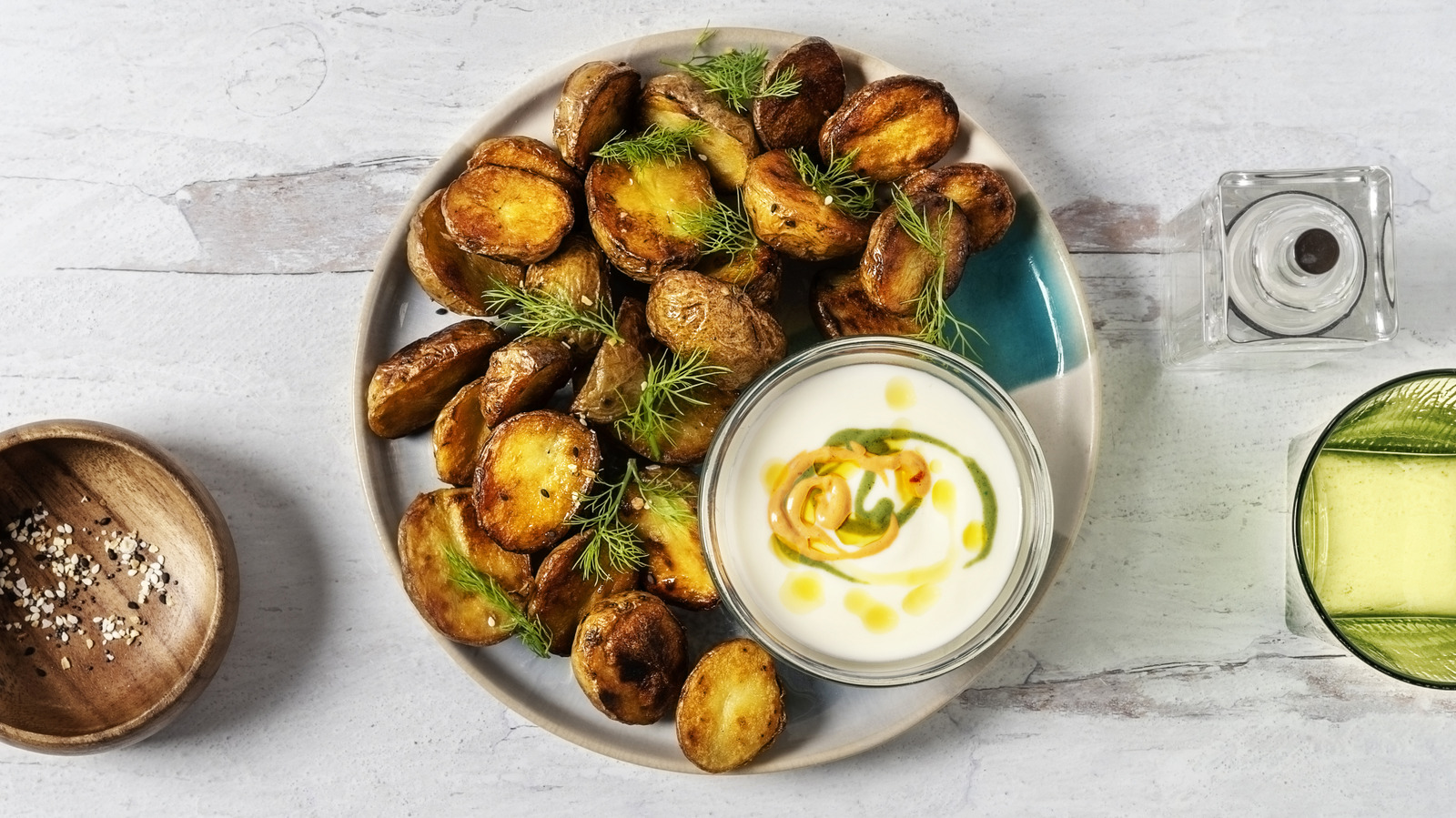
Why Duck Fat Makes the World's Crispiest Roast Potatoes
Imagine the perfect roast potato: a deeply golden, incredibly craggy exterior that shatters with an audible crunch, giving way to a cloud-like, fluffy interior. It’s the stuff of culinary dreams, often seen on fine-dining menus or during holiday feasts. But too often, our home attempts fall short, resulting in sad, soggy spuds that lose their charm mere minutes out of the oven. The secret to achieving this elusive perfection isn't just a technique; it's a star ingredient that has been revered by French chefs for centuries: duck fat. When it comes to
mastering duck fat roasted potatoes, you're not just cooking a side dish; you're creating a culinary masterpiece that boasts unparalleled crispiness and a depth of flavor that no other oil or fat can rival.
This isn't merely a fancy culinary trend; it's a method steeped in tradition and backed by the unique properties of duck fat itself. From its distinct fatty acid profile to its ability to create a robust, enduring crust, duck fat transforms humble potatoes into a truly extraordinary experience. Let's delve into why this exquisite ingredient is the ultimate choice for the world's crispiest roast potatoes.
The Science of Sizzle: Unpacking Duck Fat’s Superiority
What exactly is it about duck fat that makes it so much better for roasting potatoes than your everyday vegetable oil or even other animal fats? The answer lies in its unique composition and culinary characteristics.
Unrivaled Crispiness and Texture
The most celebrated attribute of
duck fat roasted potatoes is, without a doubt, their incredible crispiness. This isn't just any crisp; it's a thick, craggy, almost shatteringly crunchy crust that lasts. Here’s why:
- Fatty Acid Profile: Duck fat is primarily composed of monounsaturated fats (like olive oil) and saturated fats. This specific balance contributes to a high smoke point, typically around 375°F (190°C). While the references don't explicitly state the smoke point, its high tolerance to heat allows the potatoes to roast at a high temperature (400°F or higher) for an extended period without the fat breaking down and imparting off-flavors. This sustained high heat is crucial for drawing out moisture and building that intense crust.
- Even Heat Distribution: Fat is an excellent conductor of heat. Duck fat coats each potato piece thoroughly, ensuring even heat distribution across its entire surface. This leads to a consistent browning and crisping effect, preventing patchy results.
- Moisture Displacement: As potatoes roast in hot duck fat, the fat efficiently displaces moisture from the potato's surface. This creates a dry, porous exterior that, when exposed to high heat, becomes incredibly crispy. Unlike vegetable oils that can sometimes "steam" the potatoes before browning them, duck fat gets straight to the business of crisping.
- Durability of Crisp: One of the most frustrating aspects of "normal" roast potatoes is how quickly they turn soggy. Duck fat potatoes defy this fate. The sturdy crust formed by duck fat remains crispy far longer, even after cooling slightly, making them ideal for holiday meals or when preparing in advance. This enduring crispiness is a key differentiator when comparing duck fat vs. oil for roast potatoes.
A Rich, Clean Flavor Profile
Beyond the incredible crunch, duck fat imparts a distinct and delicious flavor. This isn’t a strong "ducky" taste that might overpower the potatoes; rather, it’s a subtle yet profound richness that elevates the natural earthy notes of the potato.
- Umami Depth: Duck fat offers a unique umami richness that deepens the overall flavor of the dish. It's savory and complex without being heavy or greasy.
- Clean Taste: Unlike some other animal fats, such as pork fat, which can have an intensely "porky" flavor, duck fat presents a much cleaner, purer taste. It enhances rather than dominates, allowing the accompanying herbs and garlic to shine through beautifully. As noted in the reference, it doesn’t taste of duck but has a distinctly richer flavour than oil.
- French Culinary Heritage: Duck fat has been a staple in French cooking for centuries, particularly in regions like Gascony, where duck confit is king. The French understanding that "duck fat is like bacon – it just makes everything taste better!" speaks volumes about its revered status and flavor-enhancing capabilities.
Crafting Perfection: A Guide to Unforgettable Duck Fat Roasted Potatoes
Achieving those legendary
duck fat roasted potatoes involves more than just tossing spuds in fat; it’s a methodical approach that maximizes their potential. Drawing inspiration from top chefs like Michael Symon and Gordon Ramsay, here’s how to create your own masterpiece.
1. Selecting and Preparing Your Potatoes
While the references suggest fingerling or baby potatoes, almost any potato can be transformed. Small, waxy varieties like new potatoes or creamer potatoes work exceptionally well due to their lower starch content and firm texture. If using larger potatoes (like Russets or Yukon Golds), cut them into uniform 1-1.5 inch pieces to ensure even cooking.
Pro Tip: The Par-Boil and Rough-Up Method
For the ultimate craggy crust, a crucial step not explicitly detailed in all references, but widely adopted by experts, is par-boiling.
- Place your cut potatoes in a large pot of heavily salted cold water.
- Bring to a boil and cook until the potatoes are *just* tender enough to be pierced with a fork but not falling apart (about 8-10 minutes, depending on size).
- Drain the potatoes thoroughly in a colander.
- Here's the magic: Let them sit in the colander for a few minutes to steam dry, then gently shake the colander. This action will "rough up" the edges of the potatoes, creating more surface area for the duck fat to adhere to and crisp up. This step is critical for developing that thick, craggy crust.
2. Sourcing and Rendering Duck Fat
You have two main options for duck fat:
- Pre-Rendered Duck Fat: Widely available in most large grocery stores (often near the specialty oils or refrigerated butter section), this is the most convenient option. You'll typically need about ¼ to ½ cup for 2-3 pounds of potatoes.
- Rendering Your Own: If you're using duck for another dish, don't discard the skin! As Michael Symon's recipe suggests, you can render your own. In a saucepan, combine duck skin with a small amount of water (to prevent burning initially). Cook over medium-high heat until the water evaporates and the fat renders out, leaving behind crispy cracklins (which make a fantastic garnish!). Strain the fat and store it.
3. The Roasting Process
Armed with your prepared potatoes and luscious duck fat, it’s time to roast.
- Preheat the Oven: Set your oven to a robust 400°F (200°C).
- Heat the Fat: In a large, oven-safe skillet or roasting pan, add your duck fat. You want enough fat to generously coat the potatoes without drowning them – about ¼ cup per 2 pounds of potatoes is a good starting point. Heat the fat on the stovetop over medium-high heat until shimmering.
- Combine & Season: Add the par-boiled, roughed-up potatoes to the hot duck fat. Toss well to ensure every surface is coated. Season generously with kosher salt, freshly cracked black pepper, and your chosen aromatics like sliced garlic cloves (3-4 cloves for 2 pounds of potatoes) and fresh herbs (several sprigs of thyme and rosemary).
- Stovetop Start (Optional but Recommended): Following Symon’s method, cook the potatoes on the stovetop for about 5 minutes, tossing occasionally, until they start to develop some initial browning. This gives them a head start on crispiness.
- Oven Finish: Transfer the skillet or roasting pan to the preheated oven. Roast for 30-45 minutes, or until the potatoes are deeply golden brown and exquisitely crispy. Halfway through, give them a good toss or flip to ensure even browning. If you want them extra crispy, crank the heat up to 425°F (220°C) for the last 10-15 minutes.
Beyond the Basics: Tips, Tricks, and Serving Suggestions
Elevating your
duck fat roasted potatoes doesn't stop at the basic recipe. Here are some insights to make them truly unforgettable:
- Serving Suggestions: The classics are hard to beat. A creamy garlic aioli for dipping provides a delightful contrast, while a sprinkle of chopped duck cracklins (if you rendered your own fat) adds an extra layer of crunch and flavor. A final flourish of flaky sea salt and freshly chopped parsley or chives brightens the dish.
- Special Occasions: As noted by the NYT, these potatoes are perfect for Thanksgiving. You can par-boil and rough them up ahead of time, then finish roasting them under the turkey while it rests. This frees up oven space and ensures they're hot and crispy when served. They are equally spectacular for Christmas dinner or any celebratory meal, lending an air of gourmet sophistication.
- Reusability of Duck Fat: Don't discard that precious fat! Once the potatoes are done, carefully strain the leftover fat through a fine-mesh sieve (or cheesecloth) to remove any potato bits or herb fragments. Store it in a sealed container in the refrigerator, and it will keep for months. This makes duck fat an economical choice in the long run, and you'll have it ready for your next batch of crispy potatoes, or even for searing steaks or roasting vegetables.
- Flavor Variations: Experiment with different aromatics. Try whole smashed garlic cloves instead of sliced, or add a few bay leaves. A pinch of smoked paprika can add a beautiful hue and depth. For a touch of heat, a tiny pinch of chili flakes can be delightful.
- Don't Overcrowd the Pan: This is crucial for crispiness. If the potatoes are too crowded, they will steam instead of roast. Use two pans if necessary, ensuring a single layer.
In conclusion, the quest for the world's crispiest roast potatoes leads unequivocally to duck fat. Its unique properties – from its high smoke point and even heat distribution to its rich, clean flavor profile – combine to create a side dish that transcends the ordinary. By understanding the science and employing expert techniques like par-boiling and roughing up the potatoes, you can unlock a level of crispiness and flavor that will impress even the most discerning palate. So, next time you're craving that ultimate crunch and irresistible taste, reach for the duck fat. Your taste buds will thank you, and your dinner table will be elevated to gourmet status.