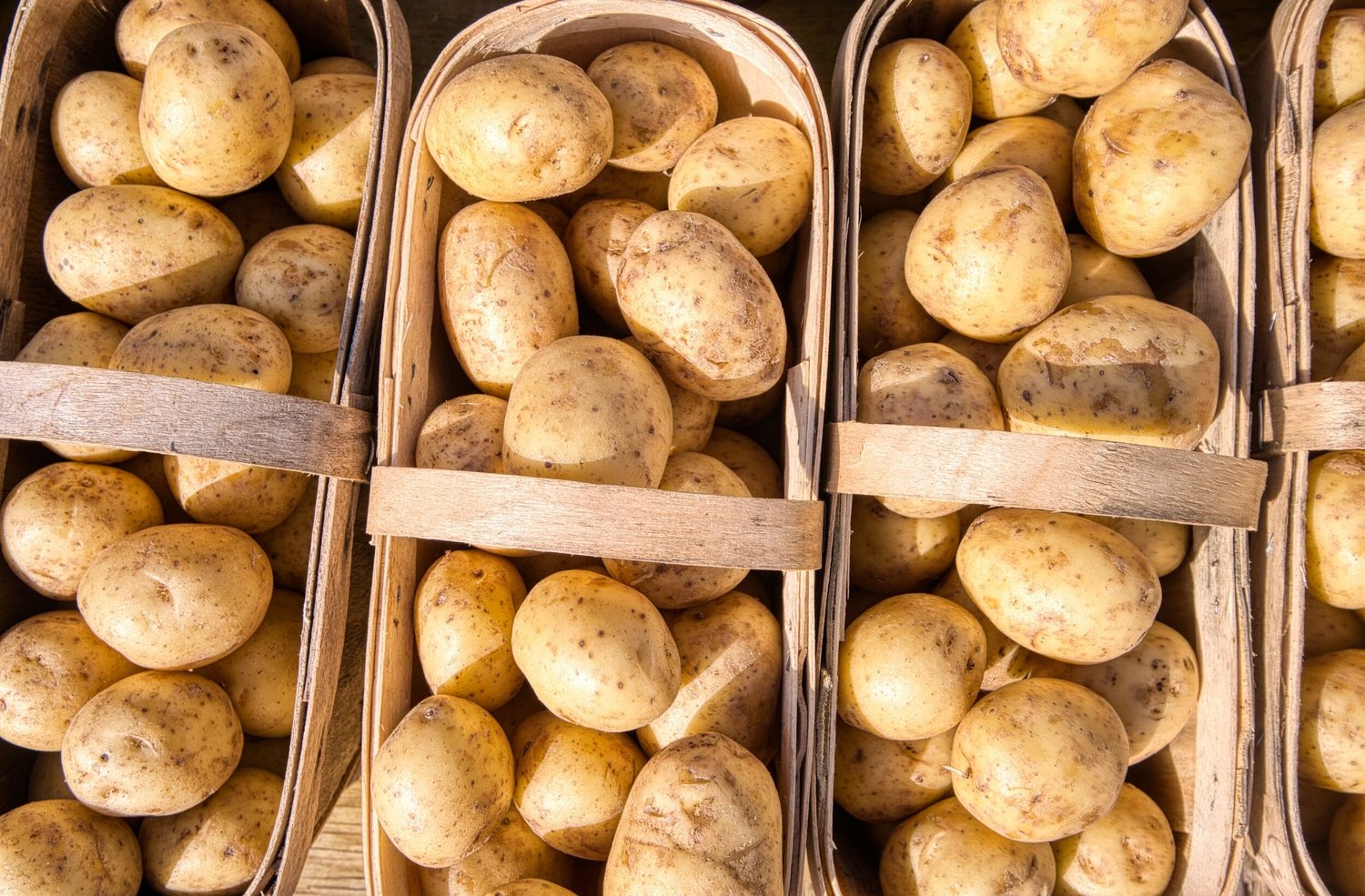
Mastering Duck Fat Roasted Potatoes: Your Guide to Rich Flavor
Imagine a potato with a crust so impossibly crisp it shatters with every bite, revealing an interior that's incredibly soft and fluffy. Now, imagine that potato infused with a rich, clean flavor that elevates it far beyond the ordinary. You're not dreaming; you're picturing duck fat roasted potatoes – a culinary masterpiece that has captivated chefs and home cooks alike. Often gracing the menus of fine dining establishments, these potatoes are more than just a side dish; they're an experience.
For years, the secret to the world's best roast potatoes has been whispered among gourmands: duck fat. While it might sound intimidatingly fancy, mastering duck fat roasted potatoes is entirely within reach, promising a reward that far surpasses the effort. This guide will walk you through the why, the how, and the essential tips to create these legendary spuds in your own kitchen.
Why Duck Fat Reigns Supreme: The Secret to Unparalleled Crispiness and Flavor
So, what's the big deal with duck fat, and why do acclaimed chefs like Michael Symon and Gordon Ramsay swear by it for their roast potatoes? The answer lies in its unique properties that deliver an unmatched sensory experience:
- The Crispiest, Craggiest Crust: Unlike vegetable oils, duck fat boasts a higher smoke point and a specific fatty acid composition that allows it to achieve an incredibly thick, craggy, and intensely crispy crust. This isn't just surface-level crispness; it permeates deeply, creating a delightful texture that stays crunchy long after leaving the oven – a stark contrast to potatoes roasted in oil, which often turn soggy quickly. To truly understand the magic, delve deeper into Why Duck Fat Makes the World's Crispiest Roast Potatoes.
- A Pure, Rich Flavor: One of the most common misconceptions is that duck fat roasted potatoes taste "ducky." On the contrary, duck fat imparts a remarkably clean, pure, and distinctly richer flavor profile compared to standard cooking oils. It enhances the natural earthiness of the potato without overpowering it, providing a depth that other fats simply can't achieve. This is particularly unique among animal fats; while pork fat, for instance, has an intense porky flavor, duck fat offers a subtle richness without the strong animalistic taste. For a detailed comparison, explore Duck Fat vs. Oil: Why It's The Best for Ultra-Crispy Potatoes.
- A Touch of French Culinary Heritage: Cooking with duck fat has been a cornerstone of French cuisine for centuries. The French understand its power to transform simple ingredients into something extraordinary. As the saying goes, "duck fat is like bacon – it just makes everything taste better!" It brings a gourmet flair to any dish, making you sound like a culinary connoisseur when you mention your "duck fat roasted potatoes."
Once a specialty item found only in gourmet stores, duck fat is now readily available in most large grocery stores, making this luxurious ingredient more accessible than ever. It's a worthy investment for the culinary elevation it brings.
Crafting Perfection: A Step-by-Step Guide to Duck Fat Roasted Potatoes
While there are variations, the core principles for achieving transcendent duck fat roasted potatoes remain consistent. Here's a comprehensive approach, combining elements from renowned chefs to ensure your success:
Ingredients:
- 1.5-2 pounds fingerling, baby, or small Yukon Gold potatoes, halved if large (or quartered if larger)
- ¼ - ½ cup rendered duck fat (approximately 200g/6.5oz, adjust based on potato quantity and pan size)
- 3-4 cloves garlic, thinly sliced or smashed
- 1-2 teaspoons kosher salt, plus more to taste
- ½ teaspoon ground black pepper (optional)
- 6-8 sprigs fresh thyme
- 3-4 sprigs fresh rosemary
- Optional: 1 cup duck skin + 2 cups water (if rendering your own fat)
Method:
- Render the Duck Fat (if starting with skin): If you're using duck skin, place it in a medium saucepan with 2 cups of water over medium-high heat. Cook until the water has fully evaporated, and the fat has rendered out of the skin. Continue cooking until the skin is golden brown and crispy (these are your delicious cracklins!). Strain the rendered fat into a heatproof container. You should yield about ½ to 1 cup of rich duck fat. Set aside the crispy cracklins for garnish.
- Prepare the Potatoes: Wash and dry your potatoes thoroughly. If using larger potatoes, halve or quarter them to ensure even cooking and maximize crispy surface area. For an extra boost of crispiness (a pro tip often employed by chefs), consider par-boiling the potatoes for 5-7 minutes until slightly tender but still firm. Drain them well and give the colander a good shake to "rough up" the edges, creating more surface area for crisping.
- Preheat Your Oven: Preheat your oven to a robust 400°F (200°C). High heat is crucial for achieving that signature crisp crust.
- Combine and Sauté: In a large, oven-safe skillet (cast iron works wonderfully here) or roasting pan, add the rendered duck fat. Heat the skillet over medium-high heat until the fat is shimmering. Add the prepared potatoes, sliced garlic, a generous pinch of kosher salt, pepper (if using), thyme sprigs, and rosemary sprigs. Toss everything together vigorously to ensure the potatoes are thoroughly coated in the fragrant duck fat and aromatics. Cook on the stovetop for about 5-7 minutes, stirring occasionally, allowing the potatoes to start browning and absorbing the flavors.
- Roast to Perfection: Transfer the skillet directly into the preheated oven. Roast for 25-40 minutes, depending on the size of your potatoes, flipping them every 10-15 minutes to ensure even browning and crisping on all sides. The potatoes are ready when they are deeply golden brown, beautifully craggy, and fork-tender on the inside.
- Serve: Carefully remove the skillet from the oven. Discard the spent herb sprigs. Taste and adjust seasoning with additional kosher salt if needed.
Tips for Ultimate Crispiness and Flavor
While the recipe provides the foundation, these additional insights will help you achieve truly legendary duck fat roasted potatoes every time:
- Potato Choice Matters: While fingerlings are excellent for their delicate texture, small Yukon Golds or baby potatoes also work beautifully. If using larger potatoes like Russets, ensure they are cut into uniform 1-1.5 inch pieces to cook evenly.
- Don't Overcrowd the Pan: For maximum crispiness, potatoes need space. Arrange them in a single layer in your skillet or roasting pan. If you have too many potatoes, use two pans or cook in batches. Overcrowding leads to steaming, not roasting.
- The Power of Par-Boiling and Roughing Up: As mentioned, par-boiling potatoes first softens the interior while creating a starchy outer layer. Shaking them in a colander after draining creates more nooks and crannies, which turn incredibly crispy when roasted in duck fat.
- Fresh Herbs are Key: While dried herbs can be used, fresh thyme and rosemary release significantly more aromatic oils and flavor into the duck fat and potatoes.
- Seasoning Strategy: Salt the potatoes generously before roasting. A good quality kosher salt or sea salt will enhance the flavor without making them overly salty. A final sprinkle of flaky sea salt just before serving adds a luxurious finish and extra pop of flavor.
- Reuse Your Duck Fat: Don't discard the glorious duck fat! Once cooled, strain it through a fine-mesh sieve (to remove any potato bits or herb fragments) and store it in an airtight container in the refrigerator. It will keep for months and can be reused for many more batches of delicious potatoes, or for searing meats and vegetables.
Serving Suggestions and Elevating Your Meal
Duck fat roasted potatoes are undeniably a showstopper on their own, but pairing them with the right accompaniments can elevate your meal to a truly memorable event:
- Garlic Aioli: A creamy, tangy homemade garlic aioli is the quintessential dipping sauce, providing a beautiful counterpoint to the rich, crispy potatoes.
- Chopped Cracklins and Sea Salt: If you rendered your own duck fat, don't forget to chop those crispy cracklins and sprinkle them over the finished potatoes for an extra layer of texture and savory goodness, along with a final flourish of flaky sea salt.
- Perfect Pairing: These potatoes are the ideal accompaniment to robust main courses. Think roasted chicken, slow-cooked lamb, prime rib, or even a perfectly seared steak. For Thanksgiving, heed the advice of top chefs: you can roast them on a rack under your turkey, then simply reheat them at 350°F (175°C) while your turkey rests.
- Fresh Garnish: A sprinkle of fresh chopped parsley or chives adds a touch of color and a fresh, herbaceous note. A squeeze of lemon juice at the end can also brighten the flavors.
Mastering duck fat roasted potatoes is a culinary journey that promises incredible rewards. From the first tantalizing aroma to the satisfying crunch of each bite, these potatoes offer an unparalleled experience. They transform a humble vegetable into a gourmet delight, proving that sometimes, the simplest ingredients, when treated with respect and the right fat, can create something truly extraordinary. So, grab your duck fat, your favorite spuds, and prepare to impress your taste buds and your guests with this magnificent dish.
